
Simple Ways to Protect Your Back, Neck and Joints During the Working Day
In Part 1, we looked at why prolonged desk work can contribute to back, neck and other musculoskeletal discomfort – and why chasing one 'perfect' posture isn't necessarily the answer.
A well-arranged workstation matters, but your working habits matter too.
The body benefits from movement, and even an ergonomically excellent chair cannot replace it.
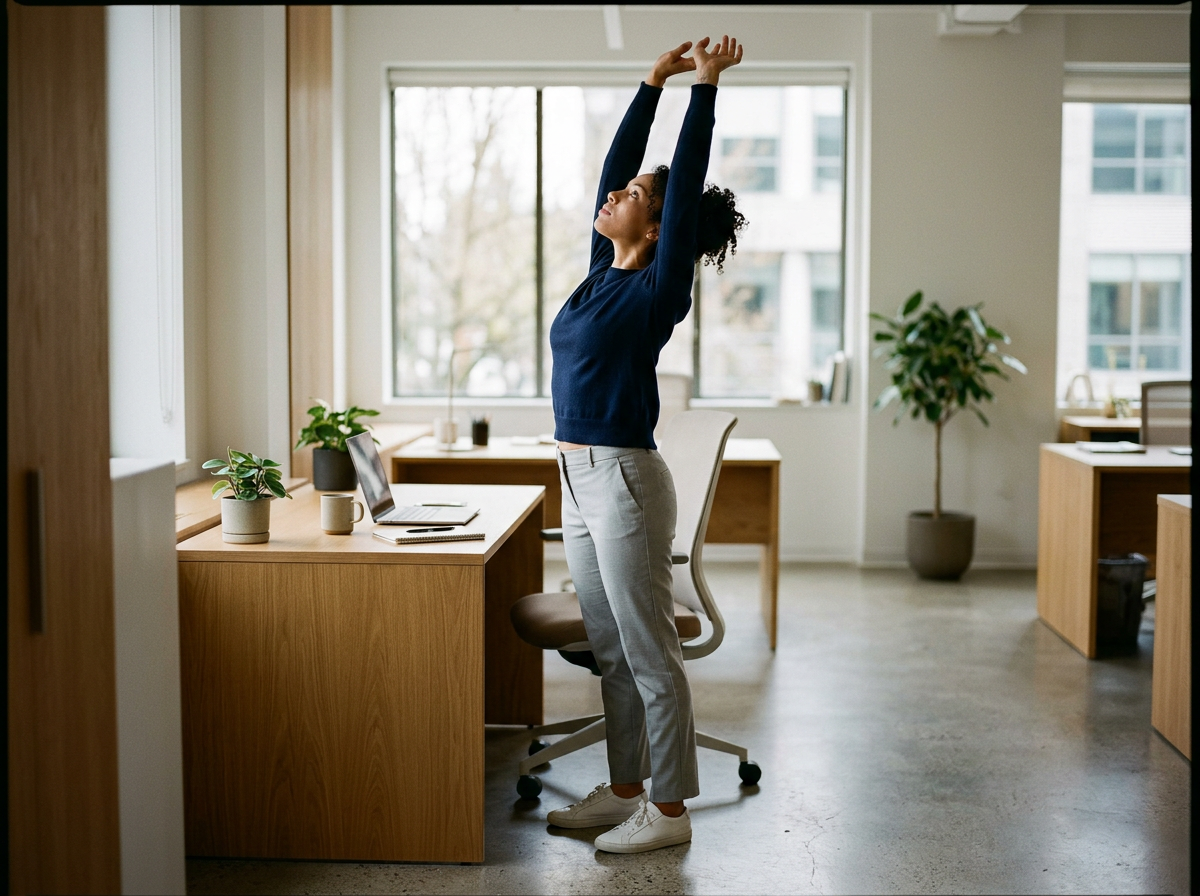
Here are practical ways to make movement and musculoskeletal health part of your normal working day.
Take regular breaks from your working position
If your job involves sitting at a computer, aim to break up prolonged periods in the same position.
As a general habit, consider changing position, standing or taking a short movement break every 30–60 minutes.
That doesn't mean abandoning your desk for 15 minutes every hour.
It could be as simple as:
standing while making a phone call;
walking to speak to a colleague rather than messaging;
getting up to refill your water;
gently moving your shoulders and neck;
walking for a few minutes at lunchtime.
Small amounts of movement accumulated throughout the day can be much more realistic than expecting one gym session to compensate for an otherwise sedentary working day.
Make your workstation fit you
People come in different heights and proportions. Workstations should reflect that.
If you constantly have to lean forwards to see your screen, reach for your mouse or sit awkwardly to use your keyboard, look at what can be adjusted.
The goal is to arrange frequently used equipment so that you can work comfortably without repeatedly reaching or straining.
For employers, this is also why a workstation should ideally be considered in relation to the person using it rather than assuming one standard arrangement suits everyone.
Watch the laptop trap
Laptops are excellent portable computers but can be less than ideal as permanent desk workstations.
If you spend substantial periods working from one location, consider raising the laptop screen and using a separate keyboard and mouse.
This allows the screen and input devices to be positioned independently and can help reduce the tendency to spend the day leaning towards a low screen.
Don't forget phones and tablets
Your work screen may be perfectly positioned, only for you to spend every break looking down at your phone.
Repeatedly holding a device low encourages the head and neck to move forwards and downwards.
Try bringing your device towards a more comfortable viewing position and, more importantly, give yourself periods away from screens altogether.
Build physical activity into life outside work
Workplace habits are only one part of musculoskeletal health.
Regular physical activity helps maintain strength, mobility and general health. The appropriate activity will vary between individuals, but walking, resistance exercise and other forms of movement can all contribute to a more active lifestyle.
If you're starting again after a long period of inactivity, progress gradually rather than going from very little exercise to an intense programme overnight.
Consistency is generally more useful than occasional extremes.
Don't ignore recurring symptoms
An occasional stiff day after an unusually busy week is different from pain that continually returns or begins interfering with normal activities.
If you're regularly experiencing back pain, neck pain, headaches or joint discomfort, an appropriate clinical assessment can help establish what may be contributing to the problem.
Chiropractors are regulated healthcare professionals trained in the assessment and management of musculoskeletal conditions.

At Garioch Chiropractic (Inverurie) / Granite City Chiropractic (Aberdeen), this begins with understanding the history of your problem and your wider health, followed by an appropriate physical assessment.
Because two people with apparently similar symptoms can have very different contributing factors, care is tailored to the individual rather than based solely on where it hurts.
Where chiropractic care is appropriate, management may include hands-on treatment alongside advice on exercise, movement, posture and lifestyle. Where another form of healthcare is more appropriate, referral may also form part of responsible patient management.
Work shouldn't mean simply putting up with pain
Musculoskeletal discomfort can affect much more than whether someone takes a day off work. Trying to work while uncomfortable can affect concentration, productivity and general wellbeing.
That's why prevention and early management matter.
Start with the basics:
Set your workstation up for you. Change position regularly. Move throughout the day. Stay physically active. And pay attention when your body repeatedly tells you something isn't right.
If back, neck or joint pain is affecting your working day, contact Garioch Chiropractic (Inverurie) / Granite City Chiropractic (Aberdeen) to arrange an assessment and discuss the options available to you.
