
Gardening Without the Aches: 10 Ways to Look After Your Back and Joints in the Garden
For many of us, getting back into the garden is one of the pleasures of life we truly enjoy. Whether you are cutting the grass, planting, weeding, digging or tackling a bigger landscaping project, gardening is also a surprisingly physical activity.
Hours can disappear when you are working outside, and that can mean prolonged bending, kneeling, reaching, lifting and twisting. If your body isn't accustomed to those movements – or you simply do too much in one session – your back, neck, shoulders and other joints can soon let you know about it.
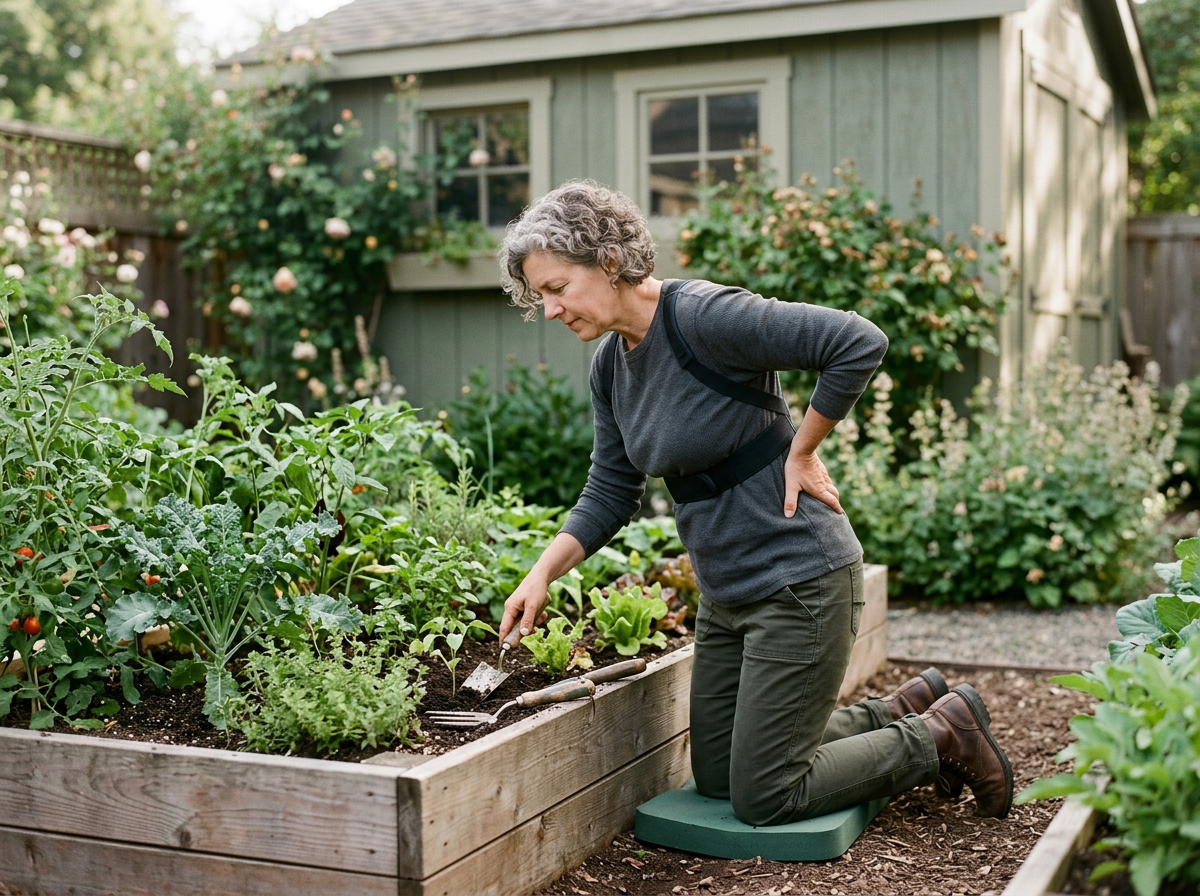
The answer isn't to avoid gardening. A few simple changes to how you work can make the experience considerably more comfortable.
1. Kneel rather than stoop
Weeding and planting often involve spending long periods bent forward from the waist.
Where practical, get closer to the ground by kneeling rather than repeatedly stooping. A gardening kneeler or padded mat can make this much more comfortable.
2. Don't stay in one position for too long
There isn't one 'perfect' gardening position that you should try to maintain all afternoon.
The body generally benefits from movement and variety. Alternate between jobs and positions approximately every 15–20 minutes rather than spending an hour bent over the same flower bed.
For example, you might alternate between kneeling to weed, standing to prune and walking to collect garden waste.
3. Try a half-kneeling position
Rather than kneeling on both knees, try placing one knee on the ground with the opposite foot planted in front of you.
This half-kneeling position can provide additional support and makes it easier to reposition yourself as you work.
Remember to swap sides regularly.
4. Keep loads close to your body
From bags of compost to plant pots, watering cans and garden waste, gardening involves plenty of lifting and carrying.
The further a load is held away from your body, the harder your muscles have to work to control it.
Bring the object close before lifting and keep it close while carrying. If something is too heavy or awkward to move comfortably, divide the load or ask for help.
5. Use your legs when lifting
When picking something up from ground level, bend your knees, lower yourself towards the object and keep your chest up rather than simply folding forward through your back.
Once you have a secure grip, push through your legs to stand.
Also try to avoid combining lifting and twisting. If an object needs to move from one direction to another, reposition your feet so that your whole body turns with it.
6. Make long-handled tools your friend
Choosing the right tool can make a significant difference to the position you work in.
Long-handled tools can reduce the amount of bending required for jobs such as weeding, cultivating and sweeping, helping you remain in a more upright position.
The same principle applies to tool weight and grip: choose equipment you can comfortably control rather than struggling with something unnecessarily heavy.
7. Get closer to what you're working on
Reaching repeatedly across a flower bed or hedge may seem convenient, but prolonged outstretched positions place additional demand on your back and shoulders.
Move your feet and position yourself closer to the task instead.
A useful gardening rule is simple: rather than making your body reach the work, move your body towards the work.
8. Gently engage your core
Your abdominal muscles contribute to spinal support during physical activity.
Before lifting, digging or performing a more demanding movement, gently brace your abdominal muscles while continuing to breathe normally. This isn't about holding your breath or tensing as hard as possible – think of it as creating a little additional support around your middle.
9. Take short movement breaks
It can be tempting to keep going until the entire job is finished, particularly when the weather is cooperating.
Try taking a brief break every 20–30 minutes. Stand upright, gently move your back, roll your shoulders and walk around for a minute or two.
Short, regular movement breaks can be much easier on your body than working continuously for several hours and only stopping once you're already sore.
10. Avoid repeatedly twisting through your back
Position yourself so that you face the area you're working on wherever possible.
This is particularly important when shovelling soil, moving garden waste or transferring material from one place to another. Instead of keeping your feet planted and repeatedly twisting through your lower back, move your feet and turn your whole body.
Build up gradually
If you've been less active recently, start with manageable periods, alternate heavier and lighter jobs, and gradually build up the amount you're doing.
Think of gardening like any other physical activity: doing more than your body is currently prepared for can leave you feeling the effects afterwards.
When aches and pains don't settle
Some muscular tiredness after an unusually active day can be expected. Persistent or worsening pain, however, shouldn't simply be ignored.
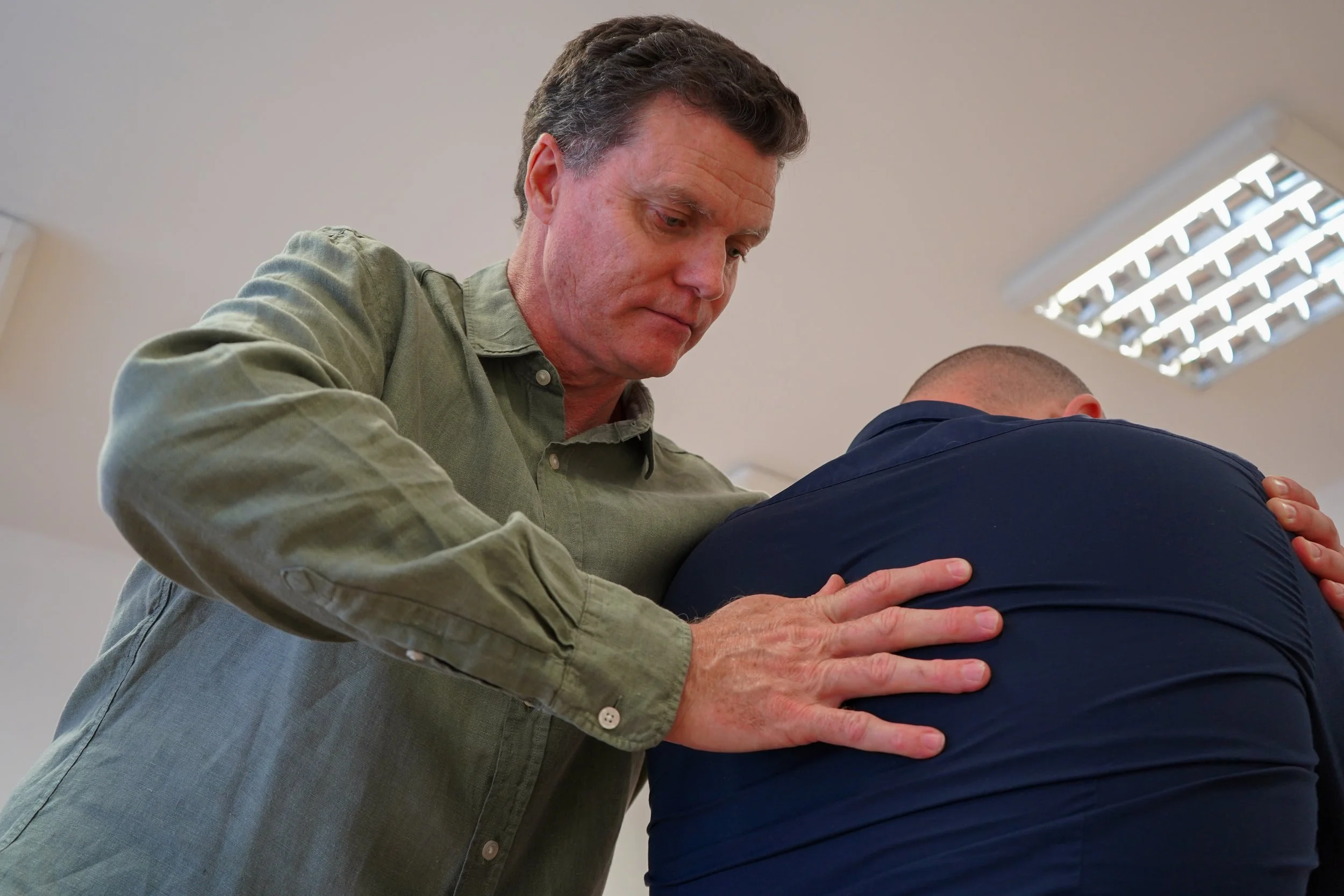
Chiropractors are trained to assess musculoskeletal problems affecting areas including the back, neck, muscles and joints. Assessment can help identify factors contributing to your symptoms and determine an appropriate approach to management.
At Garioch Chiropractic (Inverurie) / Granite City Chiropractic (Aberdeen), care is tailored to the individual. Depending on your assessment and circumstances, this may include chiropractic treatment alongside advice on movement, exercise and ways of managing the activities contributing to your symptoms.
If gardening is becoming uncomfortable, or an existing back or joint problem is stopping you enjoying it, contact our clinics to arrange an appointment.
The aim isn't to stop doing the activities you enjoy. It's to help you keep moving and enjoy them more comfortably.